Key Takeaways
- Book your child’s first orthodontic check around age 7. Treatment is rarely needed that early, but problems are easiest to spot then.
- Braces most commonly start between 10 and 14, once the permanent teeth have come through.
- There is no upper age limit for braces. Healthy gums and bone matter far more than your age.
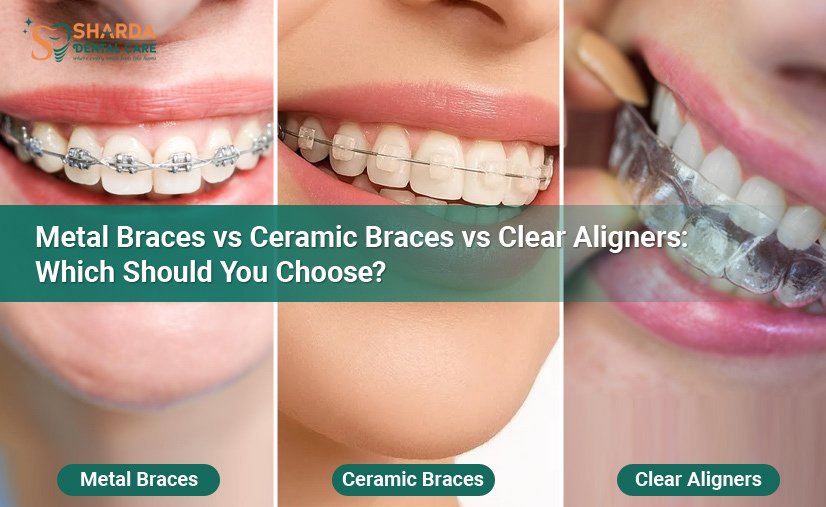
- Metal braces, ceramic braces and Invisalign aligners all work well, but each suits a different kind of patient.
- Most orthodontic treatment takes 12 to 24 months, followed by a retainer to hold the result.
- Crowding, gaps, an overbite or underbite, and jaw discomfort are common signs you need braces.
Straight teeth are not only about looks. When teeth line up properly, they are easier to clean, they share the load of chewing evenly, and they are less likely to wear down or chip. A smile you are happy to show also does a lot for confidence, whether you are 12 or 42.
So when is the right time to get braces? Here is the short answer. Children should have their first orthodontic check by about age 7, most braces are fitted between 10 and 14 years, and adults can get braces at almost any age as long as their teeth and gums are healthy.
What Is the Best Age to Get Braces?
For most children, the best age to start braces is between 10 and 14, once most of the permanent teeth have come in. The first orthodontic evaluation, however, should happen much earlier, at around 7 years.
A check at 7 does not mean braces at 7. Orthodontic bodies such as the American Association of Orthodontists recommend this age because a child then has a mix of milk and permanent teeth. Crowding and bite problems start to show, while the jaw is still growing and easier to guide.
Teenage years remain the most common orthodontic treatment age. By then the permanent teeth are in, the jaws are still developing, and teeth tend to move steadily in response to braces.
Why Is Early Orthodontic Treatment Important?
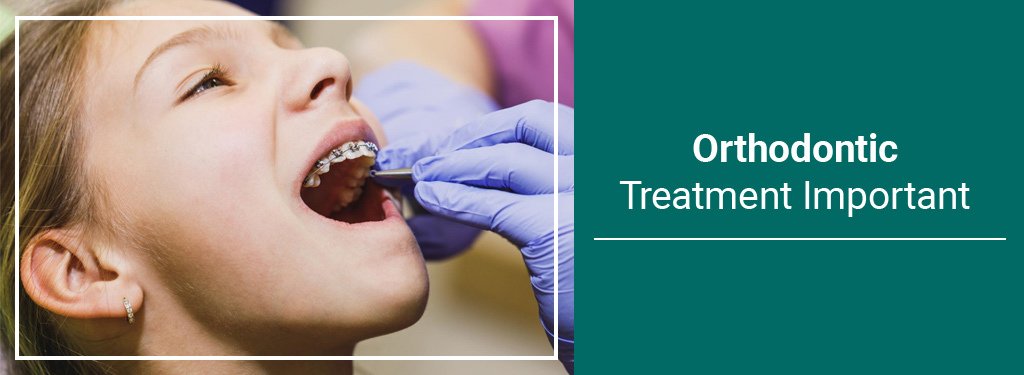
Early orthodontic treatment matters because some problems are far easier to correct while a child is still growing. A narrow upper jaw, for example, can often be widened with a simple appliance in childhood. In an adult, the same problem may need more complex treatment.
An early check can pick up:
- Jaws that are growing out of balance
- Crowded or overlapping teeth with too little space for adult teeth
- Bite problems such as a crossbite or a severe overbite
- Habits like thumb sucking that are pushing teeth out of position
Not every child who is checked at 7 needs treatment straight away. In fact, most do not. Often the dentist will simply monitor growth and review your child every six months to a year. Early treatment, sometimes called interceptive treatment, is only advised when waiting would make the problem harder to fix later.
Signs You Need Braces
The common signs you need braces include crooked teeth, gaps, and a bite where the upper and lower teeth do not meet properly. Look out for:
- Crooked or crowded teeth that overlap or twist
- Gaps between teeth that are wider than normal
- Overbite, where the upper front teeth stick out well over the lower teeth
- Underbite, where the lower teeth sit in front of the upper teeth
- Crossbite, where some upper teeth bite inside the lower teeth
- Open bite, where the front teeth do not touch when you bite down
- Difficulty chewing or biting certain foods
- Jaw discomfort, clicking, or uneven wear on the teeth
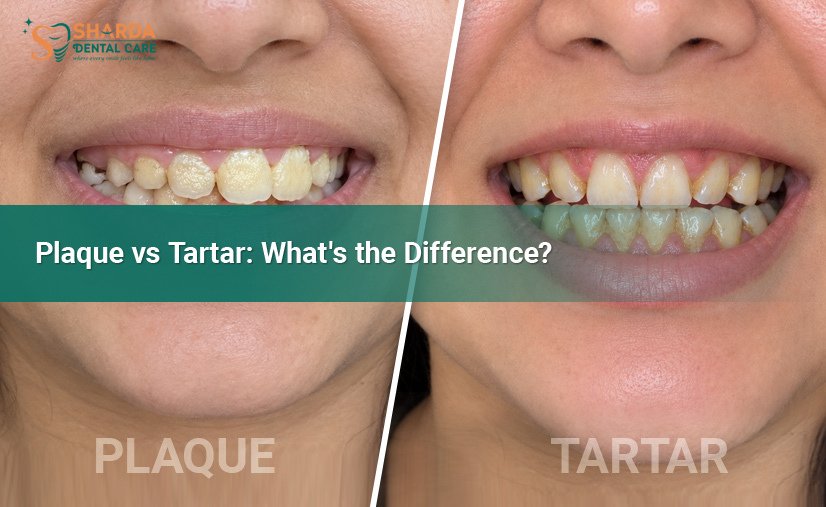
Crowded teeth are harder to clean, which can lead to plaque and tartar build up and, over time, cavities and gum problems.
Can Adults Get Braces?
Yes, adults can get braces at any age. What matters is not your birthday but the health of your teeth, gums and the bone that supports them.
Many people in their 30s, 40s and beyond choose orthodontic treatment, either because they never had braces or because their teeth have shifted since.
Before starting, your dentist will check for gum disease, untreated cavities and bone loss. Any of these need to be treated first, because moving teeth through unhealthy gums can cause damage. Adult treatment may take a little longer, since the jawbone is fully formed, but results can be just as good.
The benefits go beyond appearance. Well aligned teeth are easier to clean, put less strain on the jaw, and can make future work such as crowns or implants easier to plan.
Types of Braces and Orthodontic Treatments
There are three main options. Each works well for the right patient, and none is the best choice for everyone.
Traditional Metal Braces
Metal braces use small steel brackets fixed to each tooth, joined by a thin wire. The wire applies gentle, steady pressure that moves teeth into place over months. They are strong, reliable and can treat almost every type of alignment and bite problem. They are also usually the most affordable option, which makes them a popular choice for children and teenagers.
Ceramic Braces
Ceramic braces work exactly like metal braces, but the brackets are made of clear or tooth coloured material. This makes them much less noticeable. Teenagers and working adults who want fixed braces without the metal look often prefer them. They cost more than metal braces.
Invisalign Aligners
Invisalign aligners and other clear aligner systems use a series of thin, transparent plastic trays made for your teeth. Each set moves the teeth slightly, and you switch to a new set every week or two. Aligners are removable, so you can eat normally and brush as usual.
The catch is discipline. Aligners must be worn for 20 to 22 hours a day to work. They suit adults and responsible teenagers with mild to moderate problems. Some complex bite issues are still better managed with fixed braces. For a detailed comparison, read our guide on metal braces vs ceramic braces vs clear aligners.
How Long Does Orthodontic Treatment Take?
Most orthodontic treatment takes between 12 and 24 months. Simple cases can finish sooner, while complex cases may take longer.
Treatment time depends on:
- How far the teeth need to move
- The type of problem, especially bite issues
- Age and how the jaw is developing
- How well you follow instructions
That last point is the one you control. Keeping appointments, wearing elastics or aligners as advised, and avoiding hard and sticky foods all keep treatment on track. After braces come off, you will wear a retainer so teeth do not drift back.
What Happens If You Delay Getting Braces?
Delaying braces is rarely an emergency, but untreated alignment and bite problems can slowly get worse. Crowded teeth may trap more food, raising the risk of decay and gum disease. A bad bite can cause uneven wear, chipped teeth or jaw strain over the years.
In growing children, waiting too long can mean missing the window when jaw problems are easiest to guide. A professional evaluation gives you a clear plan, even if treatment is not needed yet.
How to Choose the Right Orthodontic Treatment
The right treatment starts with a proper dental examination. Your dentist will check your teeth, gums and jaw alignment, and may take dental scans or photographs to plan the movement.
From there, the choice between metal braces, ceramic braces and Invisalign aligners depends on:
- The complexity of your case
- How much the appearance of braces matters to you
- Your daily routine and whether you can manage removable aligners
- Your budget
A good treatment plan is personalised, never the same for every patient.
Why Choose The Sharda Dental for Orthodontic Treatment?
Sharda Dental, Indirapuram, Ghaziabad begins orthodontic treatment with a complete assessment of your teeth, gums and bite. Dr Sharda Bhat Sarup has over 25 years of experience in dental practice and runs the clinic.
What you can expect:
- A thorough examination before any recommendation
- A treatment plan built around your teeth and your lifestyle
- Clear explanations of each option, timeline and cost
- Regular follow up visits to track progress
Families from Indirapuram, Vaishali, Vasundhara, Kaushambi and across Delhi NCR visit the clinic for children’s and adult orthodontic care. If your child is due for a first check, the clinic also offers pediatric dentistry.
Conclusion
The ideal age for a first orthodontic evaluation is around 7. Most children start braces between 10 and 14. And there is no upper age limit for braces, as long as your teeth and gums are healthy.
Whether you are a parent planning ahead, a teenager wondering about braces, or an adult who has always wanted a straighter smile, the first step is the same: a professional assessment. Book an orthodontic consultation at The Sharda Dental to find out what suits you.