Key Takeaways
- Pregnancy hormones make gums more reactive to plaque, so bleeding or puffy gums that never happened before are common, not a sign something’s seriously wrong.
- Most routine and necessary dental treatment is safe during pregnancy, the second trimester is usually the most comfortable window for anything non-urgent.
- An infected tooth or abscess gets treated regardless of trimester, since an untreated infection is generally riskier than the treatment itself.
- Dental X-rays are fine when clinically needed, with abdominal shielding as standard, but non-essential ones are usually pushed to after delivery.
- Never brush right after vomiting, rinse with plain water and wait about 30 minutes, since acid temporarily softens enamel.
- Root canals are generally considered safe in pregnancy, commonly done in the second trimester with local anaesthesia rather than left untreated.
- Persistent bleeding, facial swelling or a toothache that won’t quit shouldn’t wait for a routine slot, that’s when it’s worth calling Sharda Dental Care in Indirapuram directly.
Nobody really warns you that pregnancy can mess with your gums too. Between the hormone swings, the nausea and the sudden late night cravings, your mouth ends up dealing with more than most people expect. That’s exactly why pregnancy dental care in Indirapuram has turned into such a common search among expecting mothers here, and most of what goes wrong is preventable once you know what to watch for.
This piece walks through what actually happens to your teeth and gums during pregnancy, the do’s and don’ts worth following, and when a quick dentist visit beats waiting things out.
Why Is Dental Care Important During Pregnancy?
Blame it partly on oestrogen and progesterone. Both hormones rise sharply during pregnancy and send extra blood flow to your gums, which makes them touchier than usual. Gums that never gave you trouble before can suddenly bleed the moment you brush a bit too hard.
Morning sickness adds another layer to this. Frequent vomiting means more stomach acid reaching your teeth, and pregnancy cravings often mean snacking more often than you normally would. Put the two together and the risk of decay creeps up.
None of this means trouble is guaranteed. It just means your mouth needs a little more attention for a few months, and skipping check-ups because you assume dental care isn’t safe right now usually backfires.
Common Dental Problems During Pregnancy
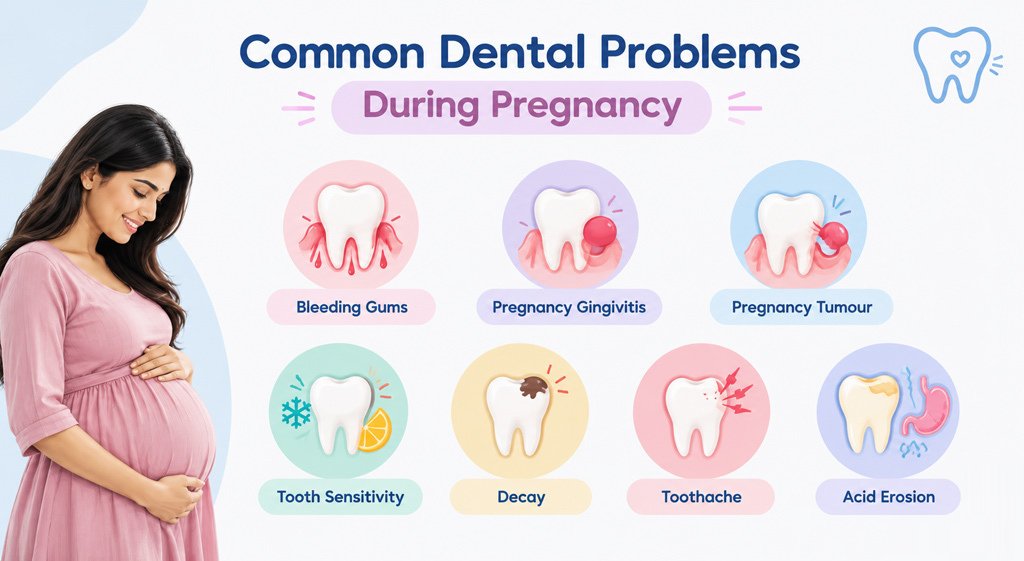
A handful of issues show up often enough that dentists barely blink at them.
Bleeding gums are probably the most common complaint, usually noticed the moment you start flossing or brushing near the gumline. Pregnancy gingivitis often begins around the second month and tends to peak by the third trimester, showing up as gums that look redder and feel puffier than usual. Some women also develop a small, soft swelling on the gum, sometimes called a pregnancy tumour. It sounds alarming, but it isn’t cancerous, and it usually shrinks on its own after delivery.
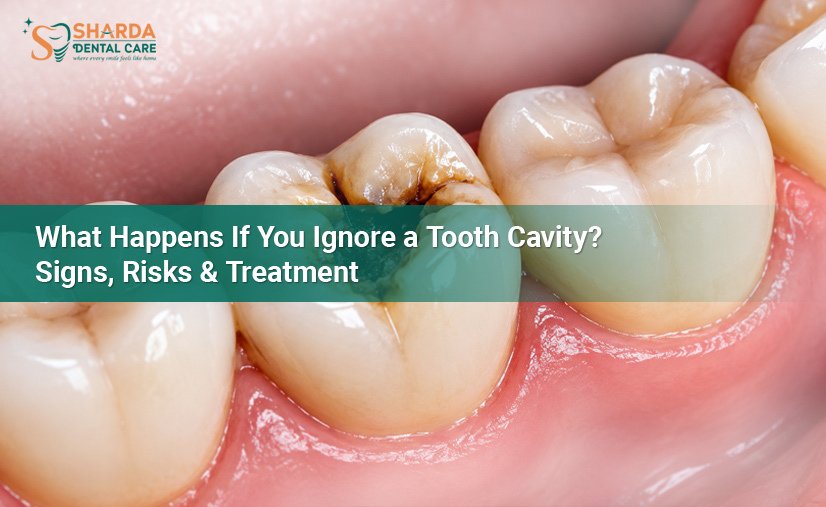
Then there’s tooth sensitivity, which tends to creep in as the mouth gets more acidic, whether from vomiting or from a sudden craving for something sour. Decay is worth watching too. Snacking more often, combined with skipping a brushing session when nausea hits, gives cavities more of a chance to take hold. Toothache usually means an existing problem, decay or gum inflammation, has been left alone a little too long. And repeated vomiting from morning sickness slowly wears down enamel through acid erosion, even when you don’t notice it happening.
Pregnancy Dental Care Do's
A few habits go a long way:
- Brush twice a day with a soft bristled toothbrush and fluoride toothpaste
- Floss once daily, especially along the gumline where plaque tends to build up
- Don’t skip brushing on the days nausea makes it tempting to
- Drink water often so your mouth doesn’t dry out
- Eat a balanced diet with enough calcium and vitamin C, and go easy on snacking between meals
- Mention your pregnancy and trimester to your dentist before any exam or treatment
- Keep your dental check-ups on schedule, since pregnancy isn’t a reason to pause routine care
- Get gum swelling, bleeding or tooth pain looked at early rather than waiting to see if it settles
Pregnancy Dental Care Don'ts
A few habits are worth avoiding too:
- Don’t brush off gum bleeding that sticks around for more than a week
- Don’t ignore a toothache or facial swelling. These usually point to infection, not something a home remedy fixes
- Don’t stop brushing just because your gums feel tender. That tends to make things worse, not better
- Don’t reach for your toothbrush right after vomiting. Rinse with plain water first and wait about 30 minutes
- Don’t self medicate for tooth pain. Check with your dentist or gynaecologist before taking anything
- Don’t assume every dental treatment has to wait until after delivery. An active problem left untreated is often riskier than getting it fixed now
Is Dental Treatment Safe During Pregnancy?
Short answer: yes, for the most part. Most routine and necessary dental treatment is considered safe during pregnancy, though the right timing depends on your specific case, the procedure itself, and which trimester you’re in. That call belongs to your dentist, not a blanket rule that fits everyone.
Here’s roughly how it tends to play out. The second trimester is usually the most comfortable window for anything necessary, whether that’s a filling, a cleaning or a root canal. Routine care, checkups and professional cleaning included, can generally continue right through pregnancy. Urgent issues, like an infected tooth or an abscess, get treated as soon as possible regardless of trimester, since an untreated infection is often riskier than the treatment itself. Purely elective work, teeth whitening being the obvious example, usually waits until after delivery.
What about a root canal specifically? In most cases, yes, it’s considered safe. When the pulp inside a tooth gets infected, root canal treatment is usually the better route than leaving it alone, and it’s commonly done in the second trimester under local anaesthesia. Whether yours should happen now or can reasonably wait is something your dentist decides after looking at how urgent the infection actually is.
Can You Have a Dental X-Ray During Pregnancy?
Usually, yes, when there’s a genuine clinical reason for it. Dentists use a lead apron to shield the abdomen as standard practice, and modern digital X-rays already use a very small dose of radiation focused tightly on the mouth.
That said, most dentists still hold off on X-rays that aren’t strictly necessary and would rather wait until after delivery if the delay costs nothing. Always mention that you’re pregnant, and roughly how far along, before any X-ray is taken. Your dentist needs that information to decide whether it’s needed now or can wait.
When Should You See a Dentist During Pregnancy?
Book a check-up as soon as you find out you’re pregnant, even if your mouth feels fine. It gives your dentist a starting point to compare against later. Beyond that, don’t wait around if you notice:
- Gum bleeding that hasn’t settled after a week
- Swelling in your gums, cheek or jaw
- A toothache that’s sticking around or getting worse
- Sensitivity sharp enough to make eating or drinking uncomfortable
- A tooth that’s chipped, broken or feels loose
- A visible hole or dark spot on a tooth
Sudden, severe pain or facial swelling isn’t something to sit on until your next scheduled visit. That’s a dental emergency, and it needs same day attention.
Pregnancy Dental Care in Indirapuram
If you’re searching for a pregnancy dentist in Indirapuram, somewhere around Ahinsa Khand, near Shipra Mall, or anywhere else in Ghaziabad, Sharda Dental Care sees expectant mothers regularly, everything from a routine check-up to a swollen gum that won’t calm down. Dr. Sharda Bhat Sarup brings over 25 years of clinical experience, and every pregnancy dental consultation here starts with an honest conversation about your trimester, your symptoms and what can genuinely wait until after delivery.
Bleeding gums, a persistent ache, tooth sensitivity that won’t quit, whatever’s bothering you, it helps to be seen by a dentist near Indirapuram who’s actually used to treating pregnant patients rather than guessing your way through it alone. If things turn urgent, the clinic’s emergency dental care is there for exactly that.
If something about your teeth or gums has been nagging at you, don’t just wait it out. A short visit usually tells you whether it’s a normal pregnancy related change or something that actually needs treatment now.
Disclaimer: This article is intended for general awareness only and does not replace personalised medical or dental advice. Please consult Dr. Sharda Bhat Sarup, your dentist or your gynaecologist for guidance specific to your pregnancy and health condition.