
Many patients ask: Should I get a root canal or an extraction for a badly broken or infected tooth? Choosing between Root Canal vs Tooth Extraction can be difficult, especially in painful situations. Dentists usually encourage keeping natural teeth. However, sometimes, extraction is essential.
Introduction to Root Canal vs Tooth Extraction
If a tooth has extensive decay, damage, cracks, or repeated dental work, the pulp (the soft tissue inside the tooth) can become inflamed or infected. At this time, medicine is needed to keep the infection from getting worse.
The two primary solutions are:
- Root Canal Treatment in Indirapuram – A procedure that removes infection while preserving your natural tooth.
- Tooth Extraction in Indirapuram – Complete removal of the affected tooth.
While both procedures eliminate infection and relieve pain, their long-term impact on your oral health is very different. Modern dentistry strongly favours preservation over removal whenever possible.
What Is a Root Canal Treatment?
Root canals are complicated dental treatments that save teeth that are very diseased or inflamed. Pulp is the soft tissue inside each tooth that contains nerves, blood vessels, and connective tissue. This pulp can get infected if it has a lot of decay, if you have to have dental work done over and over, if you have cracks, if you get hurt, or if you don’t address cavities. If you don’t treat it, it can cause a lot of pain, abscesses or bone damage.
Root canals get rid of infections without removing the tooth. This makes it one of the safest and most effective dental procedures available today.
The pulp in your tooth helps it grow. A mature tooth can work without the pulp since the tissues around it support it. When the pulp gets infected, germs grow quickly inside the tooth and spread to other tissues, which causes:
- Severe, persistent toothache
- Sensitivity to hot and cold that lingers
- Swelling or tenderness in the gums
- Darkening of the tooth
- Pus formation or dental abscess
At this stage, medication alone cannot eliminate the infection. A root canal is required to clean and seal the tooth internally.
Benefits of Root Canal Treatment
1. Preserves Your Natural Tooth Structure
One of the biggest benefits of root canal therapy is keeping your tooth. Natural teeth are built to withstand biting, chewing, and temperature changes. No implant, bridge, or denture can match the structure and feel of a genuine tooth.
Saving the natural tooth prevents unneeded surgery if it is extracted.
2. Prevents Jawbone Deterioration
When a tooth is extracted, the jawbone loses chewing stimulation. Lack of stimulation induces bone resorption over time. This might cause face changes, sunken appearance, and dental issues.
Root canal-treated teeth stimulate the jawbone like healthy teeth. The Best Dentists in Indirapuram encourage retaining natural teeth wherever possible for this reason.
3. Maintains Proper Bite Alignment
Every tooth contributes to biting equilibrium. If a tooth is taken without replacement, neighboring teeth may shift. Root canals keep teeth in place, preserving bite harmony and averting costly orthodontic or restorative procedures.
4. Eliminates Infection and Stops Its Spread
Untreated dental infections might cause major problems. Abscesses or systemic infections can result from bacteria spreading from the tooth into gum tissue and bone.
Root canal treatment removes infected pulp tissue and disinfects inner canals, eradicating infection. Proper sealing reduces reinfection risk. This safeguards your dental and overall wellness.
5. Restores Full Function with a Crown
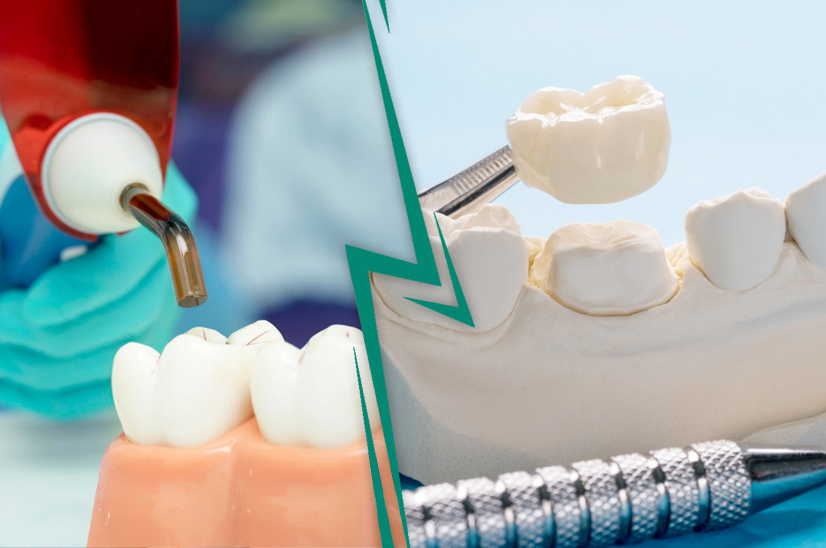
Custom dental crowns are used to reconstruct teeth after root canals. The tooth is strengthened and fully functioning with this crown. You can eat, bite, and speak comfortably.
A root canal-treated tooth with a crown can survive 10–15 years or even a lifetime with adequate maintenance.
6. Preserves Your Natural Smile
A natural tooth blends seamlessly with the rest of your smile. After restoration with a crown, the treated tooth looks and functions just like your original tooth. There is no visible difference, which helps maintain confidence and appearance.
What Is Tooth Extraction?
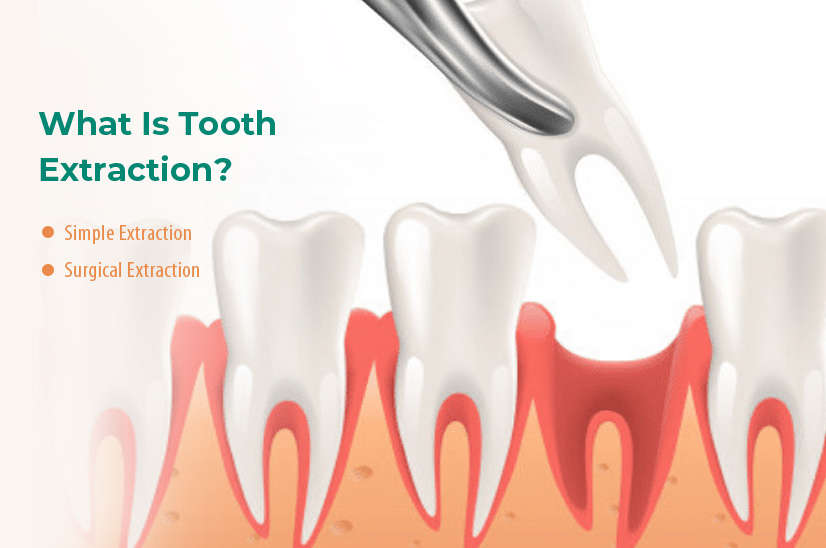
Tooth extraction completely removes a tooth from its jawbone socket. Although extraction is sometimes the safest and best option, modern dentistry recommends retaining natural teeth.
The respected Indirapuram dental clinic, Sharda Dental Care, never suggests tooth extraction unless the tooth is irreparable. Dental health, infection prevention, and tooth and bone protection are always priorities.
Types of Tooth Extraction
Simple Extraction
Done when the tooth can be seen above the gum line. The dentist uses special tools to loosen the tooth and then carefully takes it out. Most of the time, this is done quickly and with local anaesthesia.
Surgical Extraction
Needed for teeth that are damaged, stuck, or haven’t fully erupted yet. A small incision is made in the gum to access and remove the tooth. This surgery is a little more complicated, but it is nevertheless done regularly using advanced methods and anaesthesia to make the patient more comfortable.
Root Canal vs Tooth Extraction: Detailed Comparison Table
Factor | Root Canal Treatment | Tooth Extraction |
Goal | Save the tooth | Remove the tooth |
Pain Level | Minimal (with anaesthesia) | Mild to moderate |
Recovery | Quick (1–3 days) | 3–7 days |
Tooth Replacement Needed | No | Yes (implant/bridge/denture) |
Long-Term Cost | Lower overall | Higher (due to replacement) |
Impact on Jawbone | Preserves bone | Bone loss possible |
Aesthetic Outcome | Natural tooth retained | Requires a prosthetic solution |
When it comes to Root Canal vs Tooth Extraction, the answer is clear in most cases: saving your natural tooth is the best long-term solution. Root canal treatment preserves your smile, maintains jawbone health, and avoids the need for replacement procedures.
However, when a tooth cannot be restored, extraction followed by proper replacement ensures continued oral health.
If you’re experiencing tooth pain or infection, visit a trusted dental clinic in Indirapuram like Sharda Dental Care for expert evaluation and compassionate care.
Also Read: Teeth Whitening in Indirapuram: Professional vs At-Home Options Explained
Frequently Asked Questions
Is a Root Canal More Painful Than Extraction?
With modern dentistry, a root canal is not more painful than an extraction. In fact, most patients report that a root canal feels very similar to getting a routine filling. The area is completely numbed using local anaesthesia, ensuring that you remain comfortable throughout the procedure.
How Long Does a Root Canal Last?
A properly performed root canal can last 10 to 15 years, or even a lifetime with proper care. The longevity depends on several factors, such as the amount of remaining natural tooth structure and oral hygiene habits.
Can I Replace a Tooth After Extraction?
Yes, absolutely. If a tooth must be removed, replacement is highly recommended to prevent long-term complications such as bone loss, shifting teeth, and bite misalignment.